
When world powers sit across the table from Iranian diplomats, they are not negotiating with the people who actually control Iran’s military, its missiles, or the Strait of Hormuz. That authority lies elsewhere — and right now, no one is certain who holds it.
The Islamic Revolutionary Guard Corps is Iran’s ideological military force, created after the 1979 revolution to protect not the Iranian state, but the Islamic revolution itself. That distinction matters enormously. Iran runs two parallel militaries: the regular Artesh, which defends borders, and the IRGC, which defends the Islamic Republic as a political and religious project.
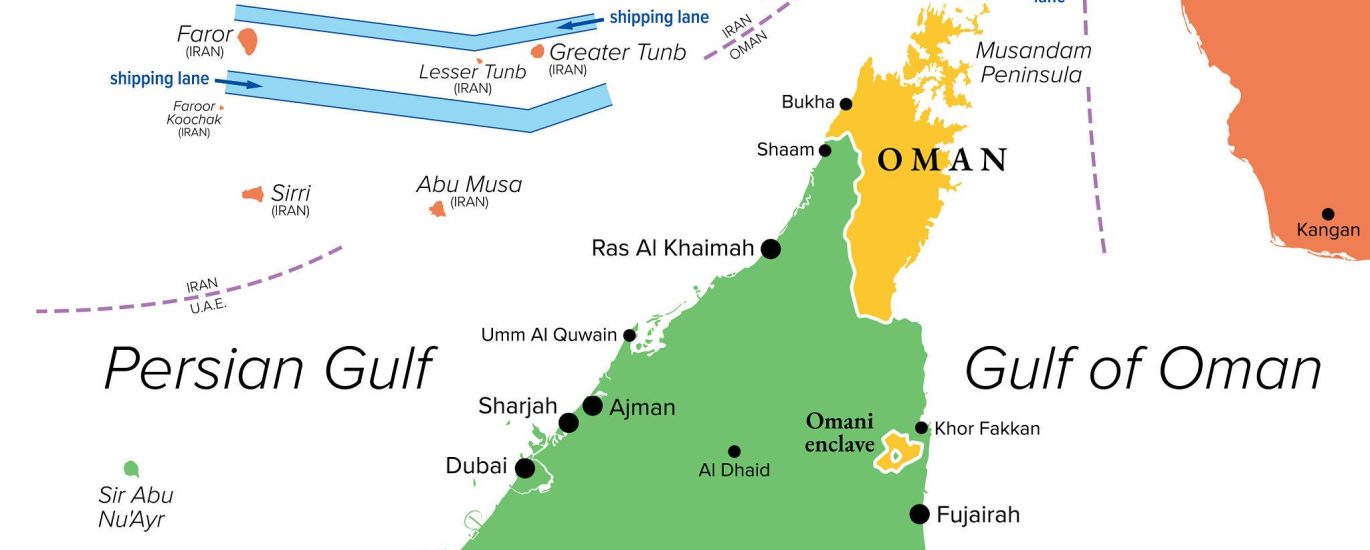
The IRGC controls its own navy, air force, ground troops, and the Quds Force — its external operations wing responsible for proxy networks across Iraq, Syria, Lebanon, and Yemen. Crucially, it controls the Strait of Hormuz in any practical military sense. Its speedboats, missiles, and naval installations on the Iranian side of the strait are what make the waterway a genuine global pressure point. When the IRGC says ships will be targeted, that is operational capability speaking — not political rhetoric.
On the day Trump extended his ceasefire, citing Iran as “seriously fractured,” four separate power centers inside Iran issued contradictory public statements:
Iran’s Foreign Minister can agree to a ceasefire. The IRGC can mock him for it the same afternoon — and has done so. When Araghchi announced the Strait was “completely open,” the IRGC’s own news agency called it “a complete lack of tact.” When Iranian negotiators sat with US officials, IRGC commanders were reportedly calling them mid-session to demand what had been agreed.
In most countries, military forces report to the elected government. In Iran, the IRGC reports to the Supreme Leader — and the current Supreme Leader, Mojtaba Khamenei, has been in office for only weeks, following the death of his father Ali Khamenei on February 28. He has no command history, no record of asserting authority over IRGC generals who have spent decades accumulating power. His orders may not be followed. Nobody, including Iran’s own diplomats, can be certain.
The White House confirmed they have been waiting for Khamenei to respond to the latest US proposal. He has not responded. That is why Vance’s plane never left Joint Base Andrews. That is why Pakistan is still waiting for Iran’s formal confirmation. That is why the ceasefire was extended with no end date.
For the Strait to be predictably safe, there needs to be a single Iranian authority who can credibly guarantee it — and who commands the IRGC forces stationed there. That authority does not currently exist.
Trump’s demand for a “unified proposal” is not political framing. It is an accurate description of a structural reality: you cannot negotiate a durable agreement on a waterway when the party signing the deal does not control the military assets the deal is about. Until the IRGC is either brought into the negotiating process directly, or a Supreme Leader consolidates enough authority to issue orders the IRGC will follow, any diplomatic agreement on the Strait of Hormuz remains fragile by design.
The country that controls a chokepoint carrying 20% of the world’s oil through a 21-mile-wide passage does not currently have a single authority who can sign a peace deal. That — not the bombs, not the blockade, not the uranium buried underground — is the most dangerous thing about this war.
